
Heat Pumps
Local. Trusted.
Heat pumps are one of the most energy-efficient HVAC systems available.


Why Heat Pumps Are a Smart Choice for Puget Sound Homeowners
Heat pumps offer an efficient, eco-friendly solution for year-round comfort—making them a top choice for homeowners in King and Snohomish counties. While the concept dates back to the 1850s, heat pumps gained widespread popularity in the 1970s during the oil crisis, thanks to their ability to provide both heating and cooling from a single system. Today’s heat pump technology is more advanced than ever, offering improved performance, quieter operation, and greater energy savings.
As climate-conscious living becomes more important, heat pumps are quickly becoming a go-to option for modern homes. Though the initial investment can be higher than traditional systems, the long-term benefits—like lower energy bills, enhanced indoor air quality, and reduced carbon footprint—make them a worthwhile upgrade for comfort and efficiency.
Heat Pump System Types
Fast Heating & Air installs and services all types of heat pump systems.
Conact us today to discuss the various options.
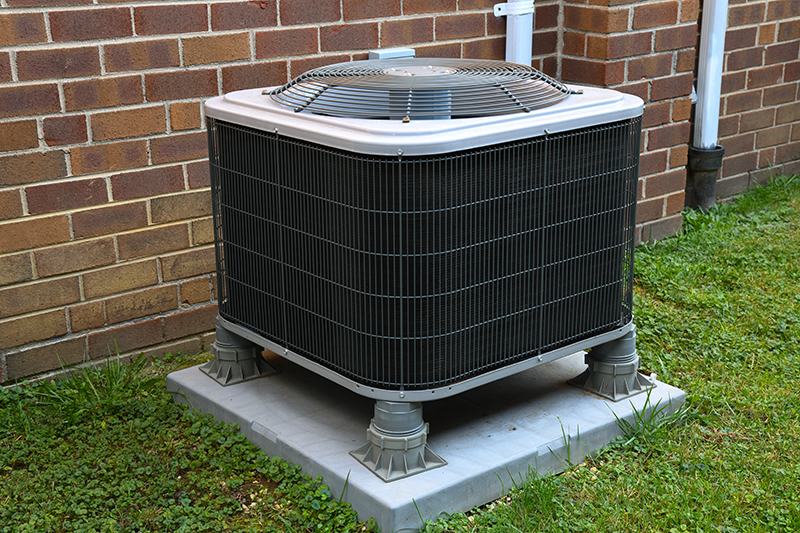
Air-Source Heat Pumps (ASHP): This is the most common type used within the Pacific Northwest. These heat pumps transfers heat between your home and the outside air. In summer, it cools like an air conditioner. In winter, it extracts heat from outdoor air—even in cold temperatures—to warm your home. These heat pumps match well to the mild northwest climate, with mild to moderate winters. They provide high efficiency, especially with newer models. These heat pump types are also available in duct or ductless mini-split models.
Ground-Source (Geothermal) Heat Pumps: This is a rarity in our northwest. These heat pumps employ underground pipes to exchange heat with the stable earth temperature below your home. These are great for long-term homeowners, new builds, large lots. They are super-efficient, with low operating cost and are eco-friendly. However, they have a higher installation cost, with more space and excavation needed.
Water-Source Heat Pumps: These heat pumps draw heat from a nearby water source like a pond, lake, or well. Obviously, these heat pumps apply to the rare home owner with near accessible water bodies. They are energy-efficient in suitable locations, but have considerable environmental regulations.
Hybrid (Dual-Fuel) Heat Pumps: These heat pumps combine a heat pump with a gas furnace. Hybrid heat pumps employ electricity for mild weather and switches to gas heat in freezing conditions. These heat pumps are great for cold climates with occasional extreme cold snaps. They provide efficient year-round, cost-saving flexibility, automatically switching between the most efficient fuel source.
Cold-Climate Heat Pumps: These are advanced air-source units designed with technology to extract heat from extremely cold air, extracting heat from zero degree weather. Since the pacific northwest seldom has such a harsh winter, these heat pumps are not found in the Puget Sound.

How We Help You Choose The Right Heat Pump For Your Home
Early autumn is a perfect time to schedule our complete system mainenance and checkup. Here are a few of the areas our service covers:
- Home Assessment and Load Calculation
The first step in selecting a new heat pump is performing a thorough home evaluation. HVAC technicians use tools and calculations—most notably the Manual J load calculation—to determine how much heating and cooling your home actually needs. This includes factoring in square footage, number and size of windows, insulation levels, orientation of the home, number of occupants, air leakage and ventilation. This ensures that the system installed isn't too small (leading to constant running and poor comfort) or too large (resulting in short cycling and wasted energy).
- Ductwork Inspection
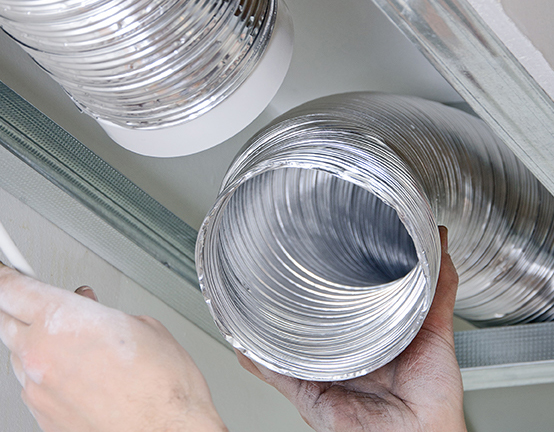
If your home has existing ductwork, technicians will inspect it for leaks, damage, or poor design. A high-efficiency heat pump can lose effectiveness if paired with inefficient ducts. If ductwork isn’t present or is in poor condition, technicians might recommend ductless mini-split systems as an alternative.
- Efficiency Ratings and Budget
Next, our HVAC professionals help you weigh the energy efficiency of various models. Heat pumps are rated by SEER (Seasonal Energy Efficiency Ratio) for cooling and HSPF (Heating Seasonal Performance Factor) for heating. Higher numbers mean greater efficiency—and potential long-term savings on energy bills. However, efficiency often comes at a higher upfront cost. Our technician will walk you through options that balance performance and price based on your budget and goals. They’ll also inform you about available rebates, tax credits, or utility incentives that can make high-efficiency systems more affordable.
- System Features and Preferences
Today’s heat pumps offer a range of features such as: Variable-speed compressors for precise temperature control; Smart thermostats and remote access; Zoned heating and cooling capabilities; Quiet operation and improved air filtration. Our HVAC technicians will ask about your comfort preferences, whether you want advanced technology, or are just looking for a straightforward system.
- Installation Planning
Once the ideal system is selected, our technicians plan the installation process. This includes ensuring proper placement of the outdoor and indoor units, making electrical and refrigerant line connections, verifying airflow and refrigerant charge, and testing the system for safe, efficient operation. Our professional installation ensures warranty compliance and long-term system reliability.
We represent all major heat pump brands
We are authorized dealers and installers of the most common and trusted manufacturers.








More Questions? We've Got the Answers
While becoming increasingly popular, many homeowners are completely familiar with heat pump technology. So here are answers to some commonly asked questions.
What is a heat pump?
A heat pump is an energy-efficient system that provides both heating and cooling by transferring heat instead of generating it. In winter, it pulls heat from outside to warm your home; in summer, it removes heat from your home to cool it.
How does a heat pump work?
Heat pumps use electricity to move heat from one place to another. In heating mode, they absorb heat from the air (or ground) outside and transfer it indoors. In cooling mode, they reverse the process—similar to how an air conditioner works.
Can a heat pump work in cold climates?
Yes! Modern cold-climate heat pumps are designed to work efficiently even in sub-zero temperatures. Some models include advanced compressors and refrigerants that allow them to perform well in freezing weather.
What are the main types of heat pumps?
Air-Source Heat Pumps (ASHP): Most common; transfers heat between your home and the outdoor air.
Ground-Source (Geothermal): Draws heat from underground for higher efficiency.
Water-Source: Uses nearby water bodies (ponds/lakes) to transfer heat.
Hybrid Systems: Combine heat pump with a gas furnace for flexibility.
How energy-efficient are heat pumps?
Very! Heat pumps can deliver 2 to 4 times more heating energy than the electrical energy they consume. This makes them one of the most efficient HVAC options available today.
Can a heat pump replace my furnace or air conditioner?
Yes. A heat pump can replace both your furnace and air conditioner, offering year-round comfort with one system. In colder regions, homeowners sometimes pair it with a gas furnace for backup (a dual-fuel system).
How long do heat pumps last?
With proper maintenance, most heat pumps last 12–15 years. Ground-source models can last even longer—up to 25 years or more for the indoor unit, and 50+ years for the underground loop system.
What kind of maintenance do heat pumps need?
Basic maintenance includes: Replacing or cleaning air filters monthly; Cleaning the outdoor coil; Clearing debris around the outdoor unit; Annual professional inspection and tune-up.
Are there rebates or tax credits for installing a heat pump?
Yes! Many utilities, states, and the federal government offer rebates and tax incentives for heat pump installation—especially for high-efficiency or ENERGY STAR®-rated systems. Ask your HVAC contractor for current local offers.
Is a heat pump right for my home?
It depends on your home’s insulation, climate, and comfort goals. A Fast Heating & Air technician can assess your needs, perform load calculations, and recommend the best system for your layout and budget.